
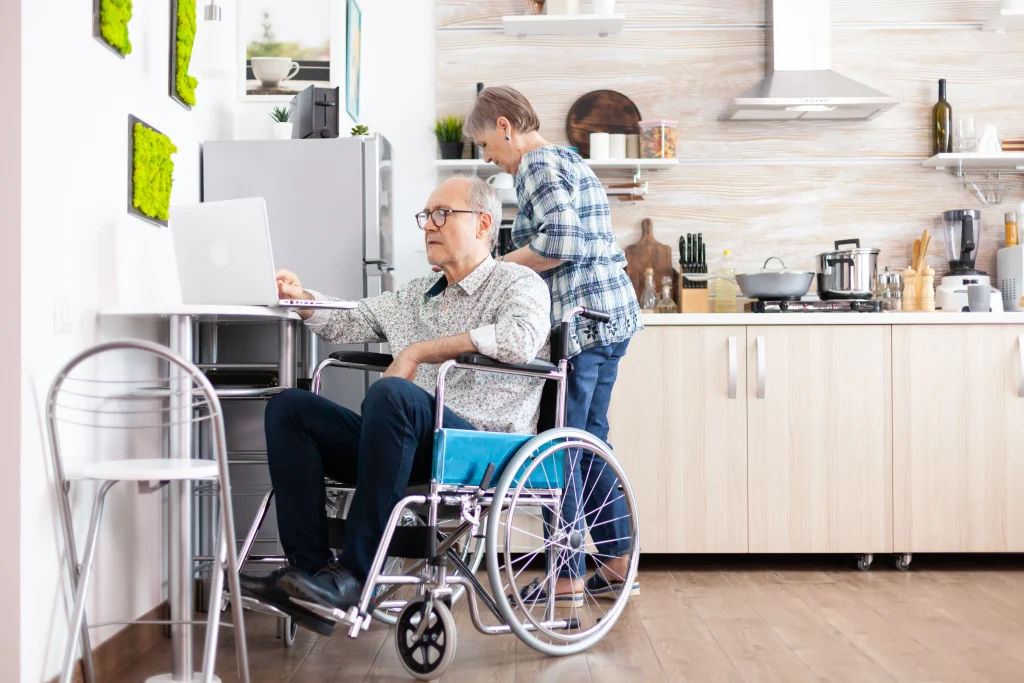
For many families, moving into a Specialist Disability Accommodation (SDA) home is a big step, and it often raises a common question: “Can I live with my loved one in the SDA home?”
The answer isn’t simple. SDA homes are designed primarily for the participant, but with the right planning, family co-residence can sometimes work. Here’s what you need to consider.
1. What Makes SDA Homes Special
SDA homes are purpose-built for people with very high support needs. Features you might find include:
- Wheelchair-accessible layouts
- Ceiling hoists and adjustable beds
- Bathrooms and kitchens designed for full support
Because these homes are highly specialized, rules around who can live there are stricter than normal housing.
2. Can Family Members Move In?
Technically, the participant is the primary resident, and the home is funded specifically for them. Family members may live in the home if:
- The SDA provider agrees
- Occupancy limits are not exceeded
- Insurance and lease terms are observed
Permanent co-residence is often more difficult than temporary stays, which are sometimes easier to arrange for caregiving or support purposes.
3. Things to Think About Before Moving In
Independence vs. Support
- SDA homes are meant to give participants freedom and autonomy.
- Living with family is comforting but should not compromise independence.
Privacy
- Shared SDA homes require respecting other participants’ private spaces.
- Family members need to follow house rules for common areas.
Safety
- Specialized equipment like hoists or lifts requires proper training.
- Family members must know how to safely use these devices.
Insurance
- Family residents may not be covered under the SDA insurance policy.
- Any agreements should be documented to avoid complications.
4. Temporary Stays Can Be Easier
If permanent co-residence isn’t allowed, temporary family stays are often acceptable. Examples include:
- Trial periods to test living arrangements
- Short-term caregiving support
- Respite care
Temporary stays allow family involvement without violating SDA rules.
5. Alternative Ways to Be Close
Even if living together full-time isn’t possible, families can stay involved:
- Regular visits to provide support and companionship
- Participating in activities within the home or nearby
- Helping coordinate care and therapy sessions
These arrangements ensure family support while maintaining SDA compliance.
6. Steps to Make It Work
- Check the SDA provider’s policy on family occupancy
- Confirm that SDA funding and lease agreements allow additional residents
- Discuss independence, privacy, and household impact
- Document temporary or permanent co-residence in writing
- Ensure everyone understands safety and equipment use
Conclusion
Living with family in an SDA home is sometimes possible, but always conditional. Communication with the SDA provider, understanding rules, and balancing independence with support are key. With proper planning, families can remain close while respecting the purpose of specialist accommodation and ensuring the participant’s needs are met.
